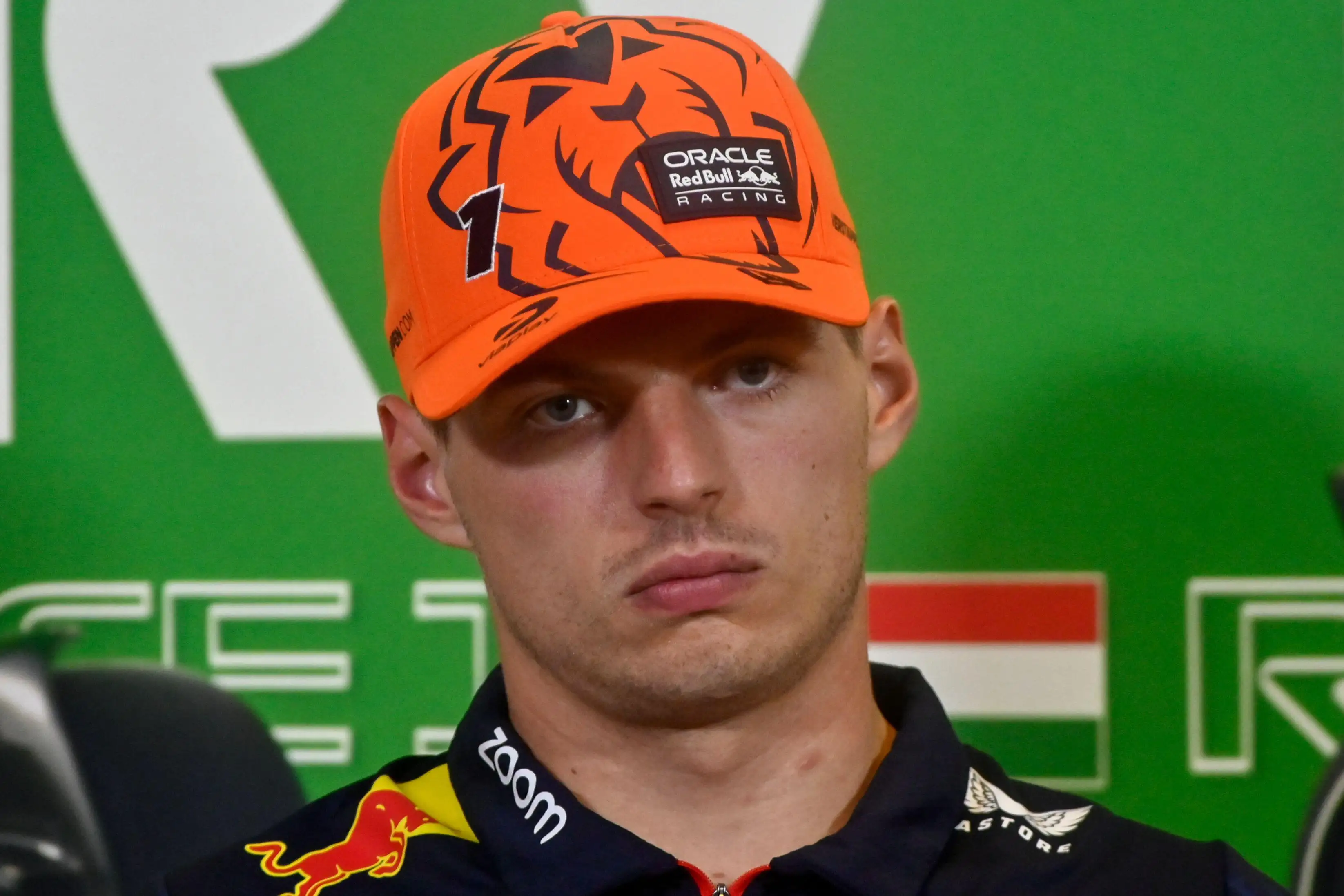
Max Verstappen is not normally a driver who lets a single weekend produce a headline line. Suzuka produced two — and both of them used the same word. The reigning world champion described Red Bull's current competitive state as "not sustainable" on more than one occasion after the Japanese Grand Prix, a verdict that will be read carefully inside Milton Keynes.
The lead-in to the sentence was not subtle. Verstappen was eliminated in Q2 at Suzuka, where Haas rookie Isack Hadjar pushed him out of the top ten in a lap that, in the moment, looked like a small seismic event. He recovered in the race without ever threatening the podium. His own post-race pen answer framed it plainly.
"It's just trying to hang on to it basically in the race," Verstappen said. "This is not not sustainable for us as well as a team I think. So we need to work hard to understand our problems and of course bring improvements."
A double negative, stitched into the middle of a careful sentence. It is the kind of phrasing drivers produce when they want to moderate a remark they mean very strongly. In context, Verstappen is telling his team — and his increasingly active wider market — that the current trajectory of Red Bull Racing is not something he can drive around.
He expanded the point in a second answer, and this time he slipped in a tell.
"Oh, I'll do some more racing, but yeah, some stuff that makes me smile," Verstappen said. "And at the same time, speak to the team as well to try and find more pace and a more stable balance — because this is not sustainable for us as a team I think. So we need to work hard to understand our problems and of course bring improvements."
"Stuff that makes me smile" is the line that gets picked up in paddock circles. Verstappen has been associated, outside of his F1 commitments, with projects ranging from Nissan GT500 testing at Fuji to sim and endurance racing commitments scheduled during the pre-Miami window. It is not a secret. It is, however, the kind of public positioning Verstappen does not usually offer unless he is making a point.

The technical backdrop is bleak. Red Bull's upgrade package, brought to the opening races, has been publicly described by several YouTube analyst channels as having missed its targets. Paddock briefings summarised by LawVS and others put the situation in almost identical language: "The RB22 is struggling with weight … they are basically struggling in all areas." Team principal Laurent Mekies has been publicly leaning on the "full attack mode" language, urging his Milton Keynes group into the kind of late-upgrade push that has, in the Newey era, often rescued mid-season form. Verstappen's assessment at Suzuka suggests that the attack is not yet landing.
Verstappen framed his own current position in the car with the same restraint. "We have to be realistic of course that we are now not the same team or we are not in the same position that we were five years ago," he said earlier in the weekend. "Every year is different." That was the Suzuka Saturday version, controlled and diplomatic. The Sunday evening "not sustainable" line was the unfiltered one.
The political pressure behind the line is the unspoken part. Verstappen's contract structure, and the performance clauses that reportedly give him exit options, have been the paddock's favourite rumour for most of the season. Mercedes, Aston Martin and Ferrari have all been loosely linked to the driver market Verstappen could theoretically enter. A reigning champion using the phrase "not sustainable" twice in a single press cycle is not a phrase that will be forgotten.
For Red Bull, the five weeks between Suzuka and the Miami Grand Prix are an opportunity to bring the first meaningful technical answer of the 2026 campaign. For Verstappen, they are an opportunity to reset the public tone. Whether he wants to is a different question.
A champion's patience is rarely infinite. A champion's patience, publicly tested on the record, is a situation worth watching.